

Antenatal Shared Care Protocols
Muhammad Awais
September 20, 2026
Are you constantly feeling exhausted, drained, or struggling to get through the day? You might be dealing with iron deficiency anaemia. While dietary changes and oral iron supplements are often the first line of defence, they aren’t always enough. When oral options fail or your iron stores are critically low, an iron infusion can be a life-changing medical solution.
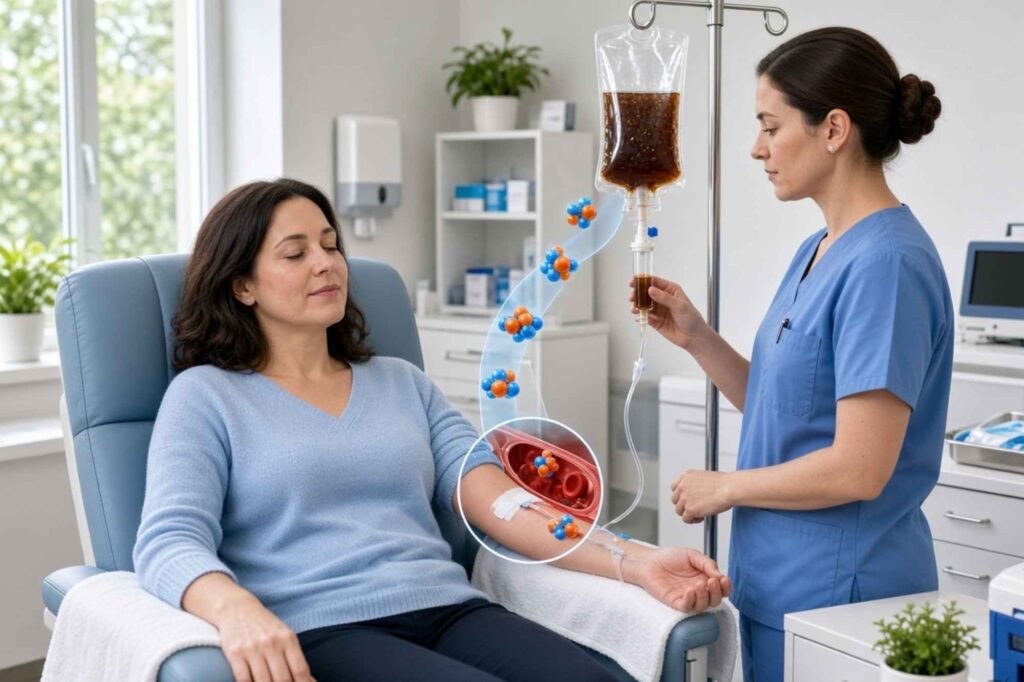
An iron infusion is a medical procedure where iron is delivered directly into your bloodstream through an intravenous (IV) drip. This method bypasses the digestive system, allowing your body to absorb a large dose of iron quickly and efficiently.
Doctors typically recommend an iron infusion when:
Oral iron supplements cause severe gastrointestinal side effects (such as constipation, nausea, or stomach cramps).
Your iron deficiency is severe and needs to be corrected rapidly (e.g., before major surgery, during the second or third trimester of pregnancy, or due to heavy menstrual bleeding).
Chronic conditions—such as inflammatory bowel disease (IBD) or chronic kidney disease—prevent your gut from properly absorbing oral iron.
Before booking an infusion, a thorough medical assessment and specific blood tests (such as a full blood count, ferritin levels, and iron studies) are required to confirm an iron deficiency.
On the day of the procedure, a healthcare professional will insert an IV cannula into your arm. The iron solution (typically mixed with a saline bag) is slowly infused into your bloodstream.
Approximate Duration: The actual infusion takes anywhere from 15 to 45 minutes, though you should allow about an hour at the clinic for initial setup and post-infusion monitoring.
Possible Adverse Effects & Risks: Most patients tolerate infusions well. Mild side effects can include a temporary metallic taste, headache, or nausea. Rarely, staining of the skin can occur if the solution leaks outside the vein (extravasation). Serious allergic reactions are uncommon, but clinics are fully equipped to manage them.
Aftercare: You can generally return to your normal daily activities immediately after the session. However, it is advisable to avoid strenuous exercise for the rest of the day.
The cost of an iron infusion varies depending on the medical practice, the type of iron product prescribed, and whether the clinic is bulk-billed or privately billed.
Medicare/Private Billing: While Medicare typically covers the initial doctor’s consultation, a private fee often applies to cover the cost of the consumable infusion kit and nursing time. Check with your clinic regarding specific out-of-pocket costs and private health fund applicability.
Locations & Doctors: Iron infusions are performed safely in qualified general practice clinics and specialist rooms. Ensure you consult with your regular general practitioner (GP) first; they can evaluate your blood results, write the necessary prescription, and either perform the procedure or refer you to a local clinic or doctor providing the service.
Q: How soon will I feel better after an iron infusion?
A: While some patients notice an improvement in energy levels within a few days, it generally takes two to four weeks for your iron stores to fully replenish and symptoms to significantly resolve.
Q: Do I need to fast before the procedure?
A: No fasting is required. You can eat and drink normally before your appointment.

15 Rooty Hill Rd N, Rooty Hill NSW 2766
Monday: 8 am–5 pm
Tuesday: 8 am–5 pm
Wednesday: 8 am–3 pm
Thursday: 8 am–5 pm
Friday: 8 am–5 pm
Saturday: Closed
Sunday: Closed
Shop 4 & 5 171-179, Queen Street,
Campbelltown NSW 2560
Monday: 9 am–5 pm
Tuesday: 9 am–5 pm
Wednesday: 9 am–5 pm
Thursday: 9 am–5 pm
Friday: 9 am–5 pm
Saturday: Closed
Sunday: Closed
Copyright © 2026. All Right Reserved.